
Launching a prize draw or competition website in the UK can be a fantastic business opportunity, but it’s essential to understand the legal framework before accepting your first entry. While many people assume all prize competitions fall under gambling legislation, the reality is more nuanced. Whether you’re planning a free prize draw, a skill-based competition or a paid-entry competition with a free postal route, structuring your promotion correctly is crucial to staying compliant.
In this guide, we’ll explain the key UK regulations surrounding prize draws, the differences between lotteries, prize draws and prize competitions, and the legal considerations every competition website owner should understand. We’ll also cover common mistakes to avoid, advertising rules and best practices for running competitions fairly and transparently.
If you’re still in the planning stages, you may also find our guide on How to Create a Successful Raffle or Competition Website helpful, where we cover everything from choosing the right platform to SEO, payment gateways and growing your business. If you’re looking for a bespoke solution, take a look at our Competition Website Development service to see how we build fast, secure and conversion-focused competition websites for businesses across the UK.
Although this guide is based on current UK legislation and official guidance, it shouldn’t be considered legal advice. Competition laws can change, and every promotion is different. Where appropriate, you should seek independent legal advice before launching your website. For the latest official guidance, you can also refer to the Gambling Commission’s guidance on free draws and prize competitions, which explains how these promotions are treated under UK law.
Are Prize Draws Legal in the UK?
The short answer is yes – prize draws are perfectly legal in the UK, but only if they’re run correctly. You can read more about them on the official gambling commision website.
Many people assume that every online competition is classed as gambling, but UK law makes a clear distinction between different types of promotions. Understanding these differences is one of the most important steps when launching a competition website.
In general:
- Free prize draws are usually legal and don’t require a gambling licence.
- Prize competitions that involve a genuine element of skill, knowledge or judgement can also be legal without a licence.
- Lotteries, where people pay to enter and winners are chosen purely by chance, are much more heavily regulated and often require a licence.
Why does this matter?
Getting the legal structure wrong could result in your competition being classed as an illegal lottery. That’s why it’s important to understand the rules before launching your website, writing your terms and conditions or accepting paid entries.
Tip: If you’re planning to launch a competition website, it’s always worth building compliance into your website from day one rather than trying to fix issues later.
Next, we’ll look at the key differences between prize draws, prize competitions and lotteries, and why those differences are so important.
Prize Draw vs Prize Competition vs Lottery
Although these terms are often used interchangeably, they have very different meanings under UK law. Understanding the differences is essential before launching your competition website.
| Type | How the Winner is Chosen | Is Payment Required? | Licence Usually Required? |
|---|---|---|---|
| Free Prize Draw | Randomly selected | No (or a compliant free entry route is available) | ❌ No |
| Prize Competition | Skill, knowledge or judgement | Yes | ❌ No (if the skill element is genuine) |
| Lottery | Randomly selected | Yes | ✅ Usually |
Free Prize Draws
A prize draw is based entirely on chance, with the winner chosen at random. To remain outside lottery regulations, entry must be free or include a compliant free entry route that gives participants the same chance of winning. An example of a free prize draw would be some that you might see linked to a TV channel like ITV, or Supermarkets, any that are free to enter.
Prize Competitions
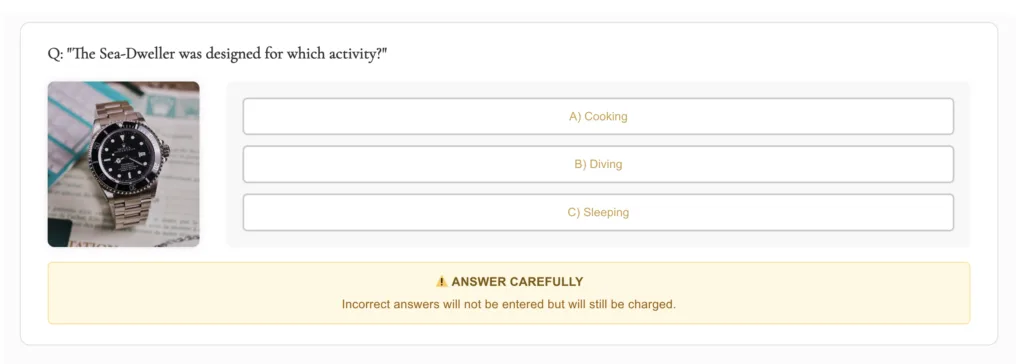
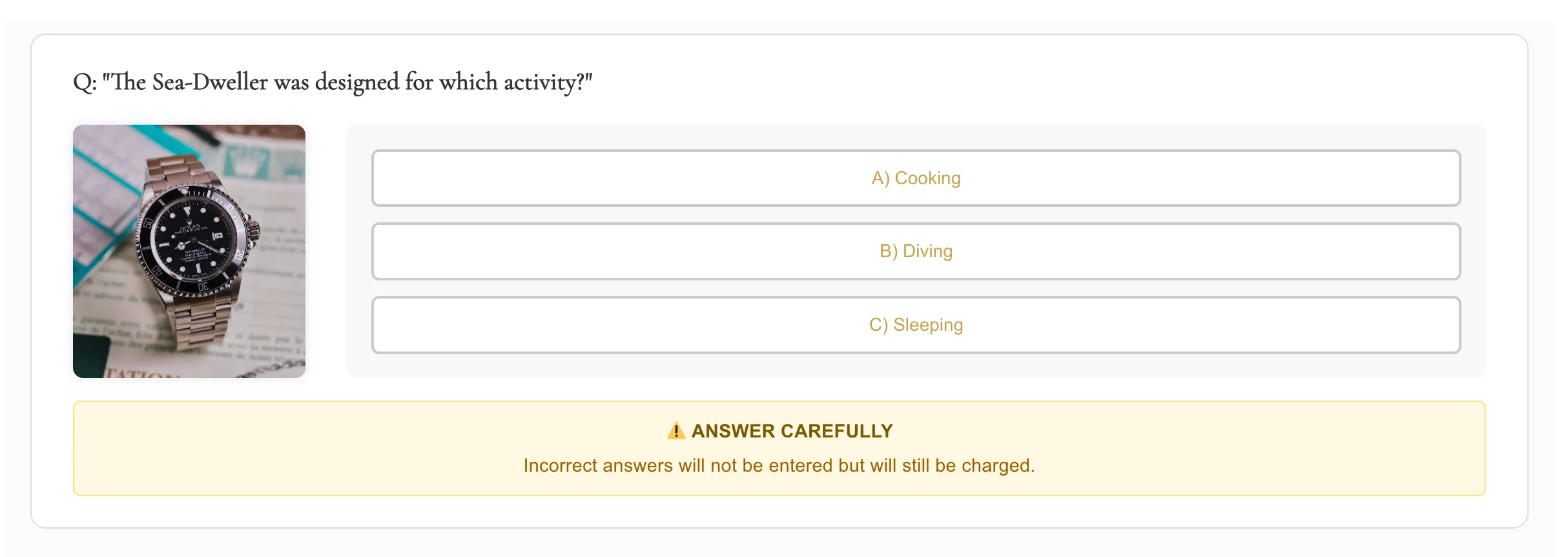
Prize competitions allow paid entries because success depends on a genuine test of skill, knowledge or judgement. The skill element must be meaningful enough to discourage or eliminate a significant proportion of potential entrants, it can’t simply be an easy question that everyone answers correctly. This is where pretty much all competition websites sit, if they have some element of skill like a question or “spot the football” like BOTB have then it’s concidered a prize competition.

Lotteries
A lottery is where people pay to enter and the winner is chosen purely by chance. Unless it falls within a specific legal exemption, operating a lottery generally requires the appropriate licence or authorisation.
Top tip: Most UK competition websites choose either a genuine skill-based competition or offer a free postal entry route to ensure they comply with the law.
Free Entry Routes Explained
One of the most important legal requirements for many paid-entry competition websites is offering a free entry route. This helps ensure your promotion isn’t classed as an illegal lottery.
A free entry route is exactly what it sounds like – a way for people to enter your competition without making a purchase. On many UK competition websites, this is provided through a postal entry option.
A compliant free entry route should:
- Be clearly explained in your Terms & Conditions.
- Be easy for entrants to find.
- Give free entrants the same chance of winning as paid entrants.
- Be available for the entire duration of the competition.
- Not place unnecessary barriers or restrictions on free entrants.
Common mistakes to avoid
Even if you offer a free entry route, you could still run into problems if:
- It’s hidden away or difficult to find.
- Free entries are processed differently from paid entries.
- Entries must arrive much earlier than paid entries without good reason.
- The instructions are unclear or incomplete.
Remember: Simply having a free postal entry isn’t enough—how you promote and administer it matters just as much. Making the process fair and transparent helps keep your competition compliant and builds trust with your customers.
What Counts as a Genuine Skill-Based Competition?
Many competition websites use a skill-based question to distinguish themselves from a lottery. However, not every question is enough to satisfy the legal requirements.
The key point is that the question must involve a genuine element of skill, knowledge or judgement. If almost everyone can answer it correctly, it may not be enough on its own.
Examples of weak questions
These are generally considered too easy:
- What colour is the sky?
- How many days are there in a week?
- What is 2 + 2?
Better examples
Questions that require participants to think or use their knowledge are much more appropriate:
- A multiple-choice question about a specific topic.
- A puzzle or brain teaser.
- A question that requires research or specialist knowledge.
- A challenge where entrants must use judgement or problem-solving skills.
Why it matters
If your skill question is too simple, your competition could be viewed as relying purely on chance. That’s why many competition website owners either include a genuine skill element or offer a free postal entry route to help ensure their competitions are structured correctly.
Top tip: If you’re unsure whether your competition meets the legal requirements, it’s always worth seeking professional legal advice before launching. Click here to get in touch as we have experience with this.
Other Legal Requirements for Competition Websites
Running a compliant competition website involves more than just getting the entry method right. There are several other legal requirements and best practices that every website owner should consider.
Make sure your website includes:
- Clear Terms & Conditions – Explain who can enter, how winners are selected, entry deadlines, prize details and how prizes will be delivered.
- Privacy Policy – Tell visitors how you’ll collect, store and use their personal data in line with UK GDPR.
- Cookie Policy – If your website uses analytics, advertising or marketing cookies, you’ll need to inform users and obtain consent where required.
- Age Restrictions – If your competition is only open to adults, make this clear throughout your website and terms.
- Winner Information – Be transparent about how winners are chosen and when they will be announced.
- Refund Policy – Clearly explain whether entry fees are refundable and under what circumstances.

Build trust as well as compliance
Having these pages isn’t just about meeting legal requirements, they also help reassure visitors that your competition is legitimate. A professional website with clear policies is far more likely to earn trust and encourage people to enter.
Top tip: Make sure your legal pages are easy to find by linking them in your website’s footer and during the checkout process.
Common Legal Mistakes to Avoid
Even well-designed competition websites can fall foul of the rules if the legal side isn’t given enough attention. Fortunately, most issues can be avoided with careful planning.
Here are some of the most common mistakes:
- No clear free entry route (where one is required).
- Using an overly simple skill question that doesn’t genuinely test knowledge or judgement.
- Missing or incomplete Terms & Conditions.
- Failing to explain how winners are selected or when the draw will take place.
- Hiding important information such as entry deadlines or eligibility requirements.
- Not complying with UK GDPR when collecting customer information.
- Making misleading claims about prizes, odds or the chances of winning.
The importance of transparency
Being open and honest with your customers isn’t just good practice—it’s one of the easiest ways to build trust in your brand. Clearly explaining how your competitions work, how winners are chosen and what entrants can expect helps create a positive experience while reducing the risk of complaints.
Remember: If you’re ever unsure about the legal structure of your competition, it’s far easier (and cheaper) to get it right before launching than to make changes once your website is live.
Frequently Asked Questions for Competition sites
Do I need a Gambling Commission licence to run a prize draw?
Not usually. Genuine free prize draws and skill-based prize competitions can generally be run without a licence. However, if your competition is classed as a lottery, different rules may apply.
Can I charge people to enter a competition?
Yes, but only if your competition is structured correctly. Many paid-entry competition websites either include a genuine skill element or offer a compliant free postal entry route.
Is a free postal entry route always required?
Not always. It depends on how your competition is run. Many UK competition websites include one to help ensure they remain compliant with the relevant legislation.
Can I run a prize draw on my website?
Yes. Businesses of all sizes run prize draws to promote products, services and brands. The important thing is making sure your competition complies with UK laws and has clear terms and conditions.
Can I use a simple multiple-choice question?
Be careful. If the question is too easy and almost everyone gets it right, it may not be considered a genuine test of skill. If you’re relying on a skill question, it should require real knowledge, judgement or problem-solving.
Where can I find official guidance?
The best place to start is the Gambling Commission, which provides detailed guidance on prize draws, prize competitions and lotteries. It’s also worth seeking independent legal advice if you’re unsure about any aspect of your competition.
UK Prize Draw Regulations: Key Takeaways
Understanding the UK regulations for prize draws is one of the most important steps when launching a competition website. While prize draws and prize competitions can often be run legally without a gambling licence, it’s essential to structure your competitions correctly, provide clear terms and conditions, and ensure your website complies with the relevant legislation.
Taking the time to get the legal foundations right from the beginning can help you avoid costly mistakes, protect your business and build trust with your customers. As regulations and guidance can change over time, it’s always sensible to review the latest official information and seek independent legal advice where appropriate.
If you’re planning to launch your own competition website, Developer Rocket specialises in designing and developing fast, secure and conversion-focused competition websites. From custom development and payment integrations to SEO and ongoing support, we can help you create a website that’s built for long-term success.
Ready to get started? Get in touch with Developer Rocket today to discuss your competition website project and see how we can help bring your idea to life.